
For decades, people designed homes around what they needed right now. A nursery became a child’s bedroom. A formal dining room became a home office. But today’s homeowners are taking a longer view. They’re asking an important question: How can my home continue to serve me five, ten, or even twenty years from now?
At ADJ Interiors, we’re seeing more and more clients prioritize longevity, safety, and comfort alongside aesthetics. They’re not necessarily planning for immediate changes, but they understand that thoughtful design decisions made today can provide flexibility and peace of mind tomorrow. Whether it’s accommodating aging parents, preparing for adult children to move back home, or simply ensuring they can remain in a home they love for decades, homeowners are recognizing that great design isn’t just beautiful—it’s strategic.
With people living longer and the costs of assisted living, skilled nursing, and long-term care continuing to rise, future-proofing your home has become one of the smartest investments you can make. Here are five ways our team helps clients create homes that work beautifully today while preparing for whatever tomorrow may bring.
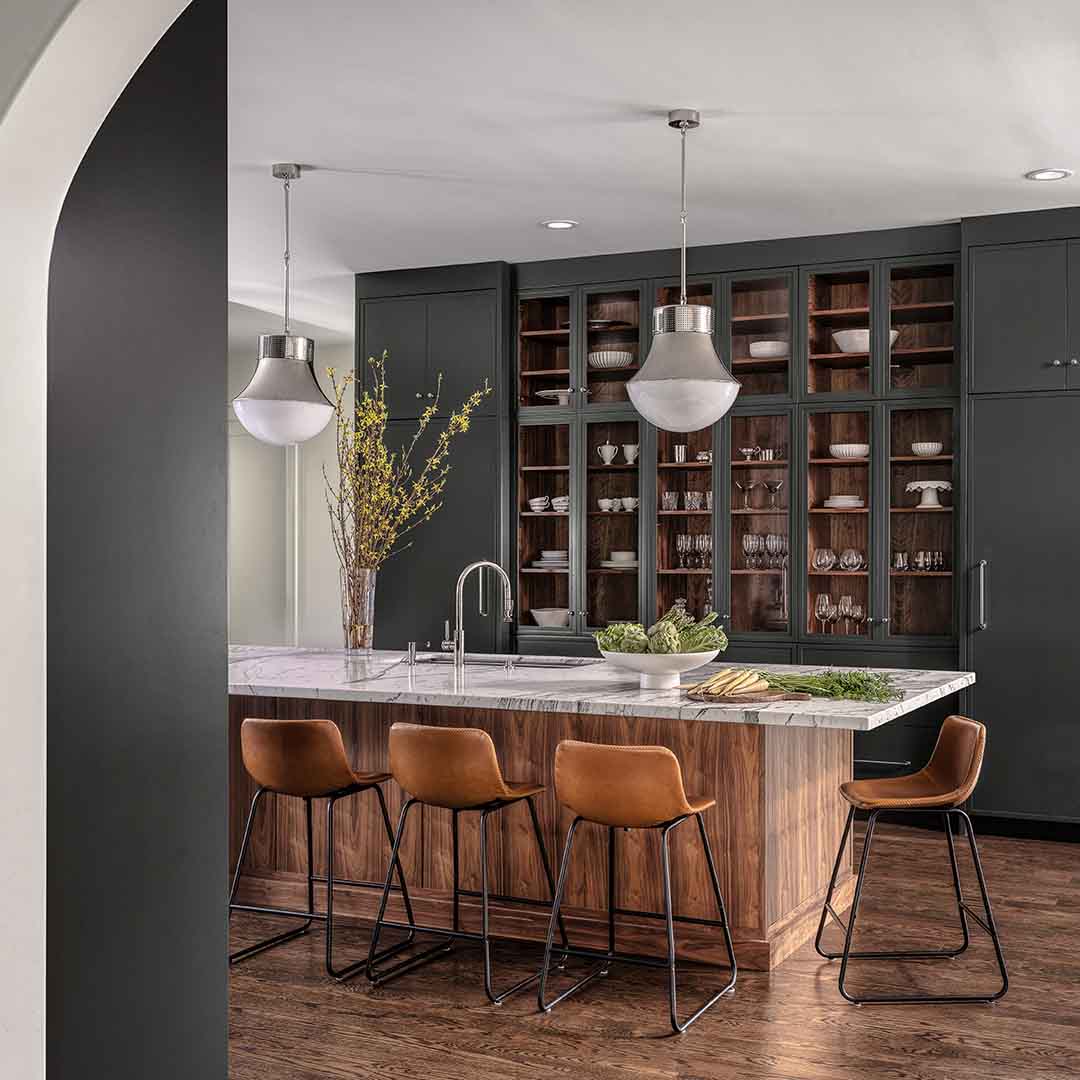
1. Create Space That Can Adapt
One of the easiest ways to future-proof a home is by giving it room to breathe.
Wider hallways and door openings that meet ADA accessibility standards may not seem exciting during the design process, but they can make an enormous difference down the road. These thoughtful dimensions allow for easier mobility, whether you’re pushing a stroller today or navigating a walker or wheelchair years from now.
We also encourage flexibility when it comes to built-ins. While custom storage is wonderful, leaving some elements movable allows spaces to evolve. Benches, shelving, and furniture that can be reconfigured create opportunities to adapt rooms as needs change.
The goal isn’t to design a home that feels clinical; it’s to create one that remains functional through every stage of life.
2. Design Guest Spaces With More Possibilities
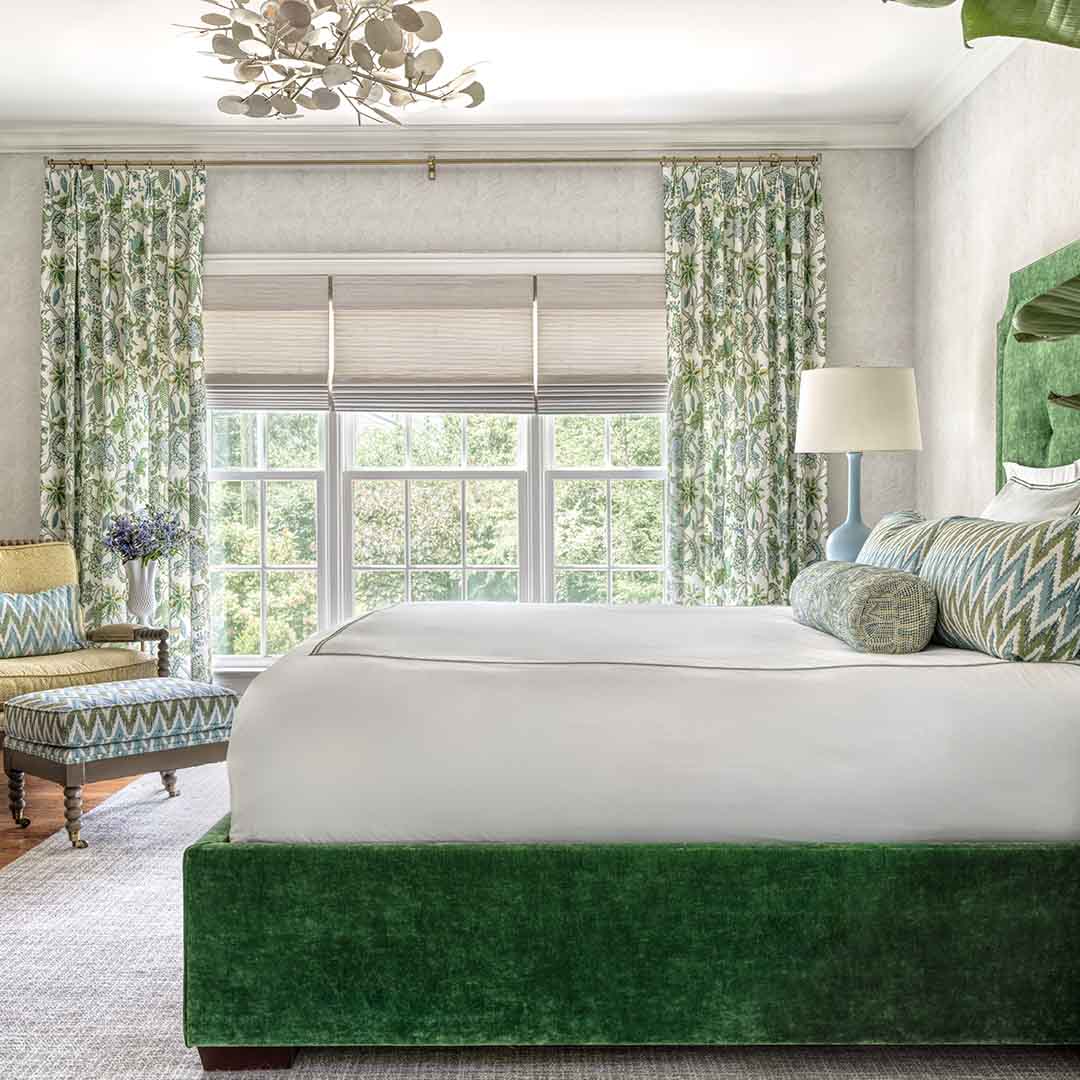
Today’s guest room could become tomorrow’s solution.
We’re increasingly helping clients create guest suites that function as comfortable accommodations for visitors today while offering flexibility for future needs. That might mean incorporating a private bathroom, a small kitchenette, or a separate entrance where possible.
These spaces can serve many purposes over the years:
- A comfortable guest retreat
- A private space for aging parents
- Living quarters for a caregiver
- A nanny suite for young families
- A home base for adult children returning home
By planning ahead, clients gain options without sacrificing comfort or style. And in the meantime, their guests enjoy an elevated experience that feels welcoming and independent.
3. Layer Lighting for Every Stage of Life
Lighting becomes increasingly important as we age.
Many homeowners are surprised to learn how dramatically our lighting needs change over time. Eyes require more illumination to perform everyday tasks, and glare becomes more problematic.
That’s why we approach lighting with flexibility in mind.
Rather than relying solely on overhead fixtures, we design spaces with layers of light:
- Ambient lighting for overall illumination
- Task lighting for reading, cooking, and hobbies
- Accent lighting for atmosphere and visual interest
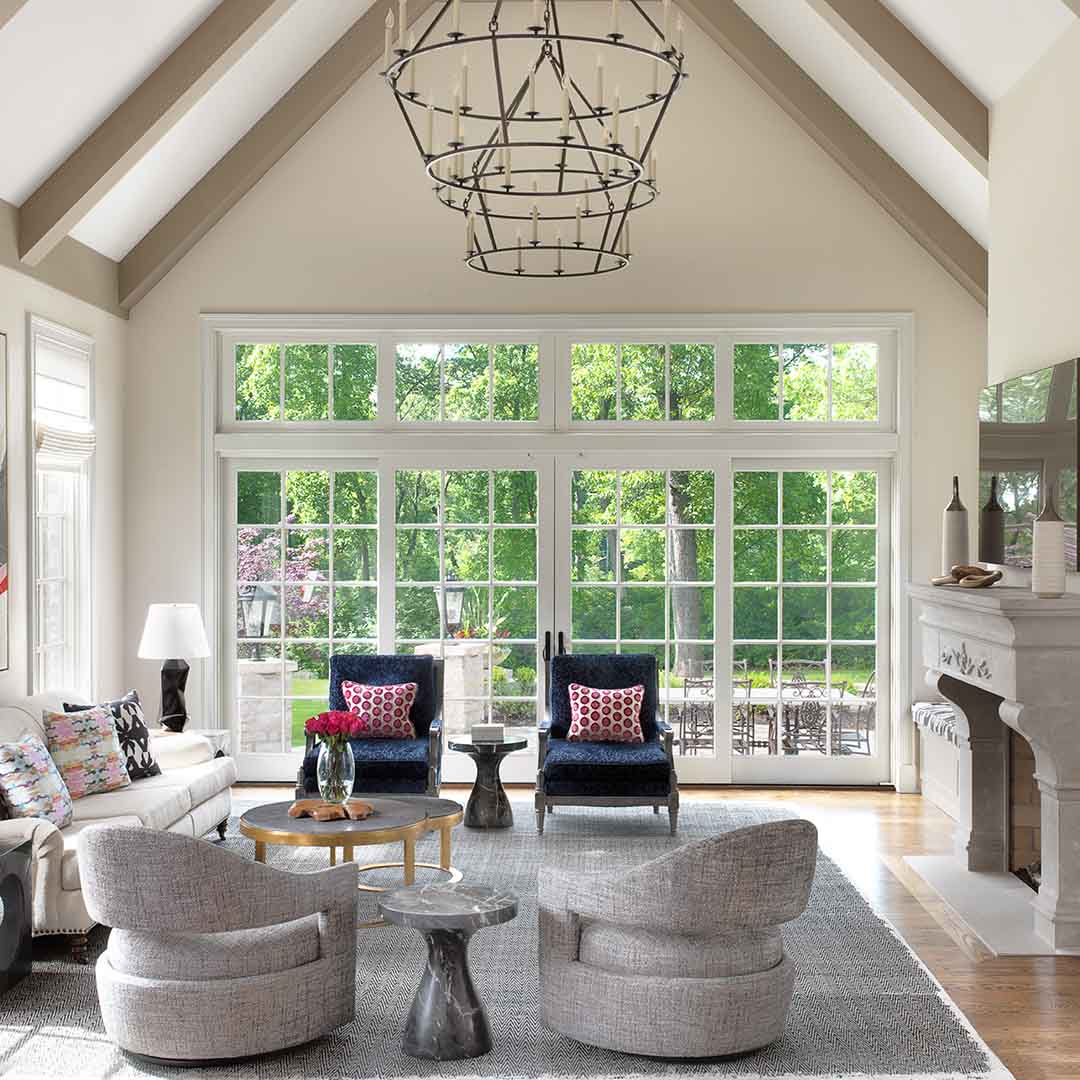
We also incorporate dimmers, smart controls, and window treatments that allow homeowners to adjust light levels throughout the day. These solutions not only enhance comfort today, but ensure the home remains enjoyable and functional in the future.
4. Plan for Changing Mobility
Mobility needs often change gradually, which is why thoughtful planning matters.
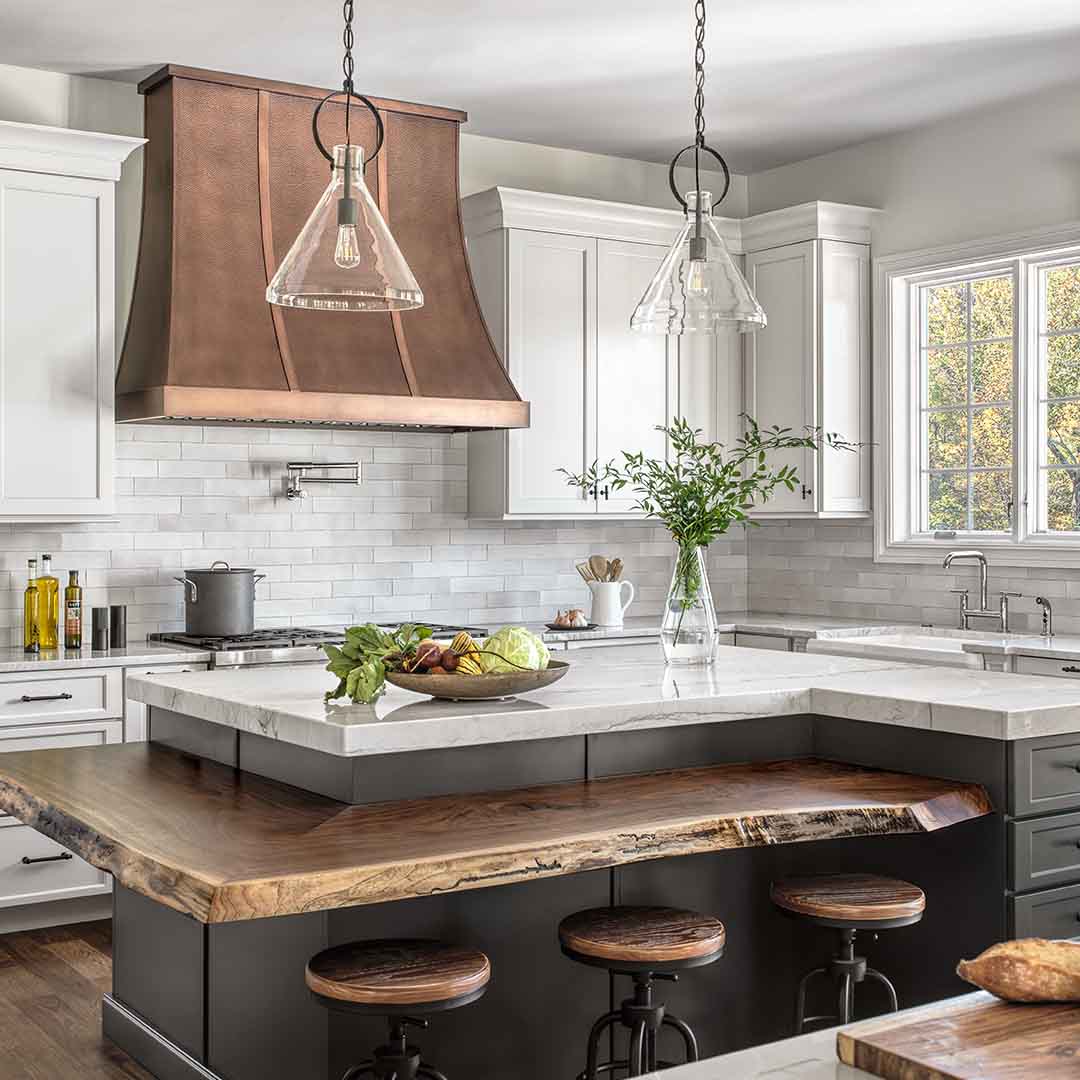
In kitchens, for example, we think carefully about storage placement. If upper cabinets become difficult to reach years from now, is there adequate lower cabinet storage available? Can frequently used items be relocated without requiring a major renovation?
Flooring is another important consideration. Hard surfaces such as wood, luxury vinyl, and tile provide smooth transitions and easier mobility than thick carpeting. They’re easier for wheelchairs, walkers, and other mobility aids to navigate while remaining timeless and beautiful.
The best part? These design decisions benefit everyone, regardless of age.
5. Add Blocking Before You Need It
This may be one of the smartest design decisions clients never see.
During construction or renovation, we often recommend installing additional blocking inside bathroom walls and other strategic locations. Blocking consists of reinforced framing behind drywall that allows grab bars, railings, and support features to be added later without opening walls or undertaking costly modifications.
If those features are never needed, wonderful.
But if the day comes when additional support would improve safety or independence, the infrastructure is already in place. It’s a small investment during construction that can save significant time, money, and disruption in the future.
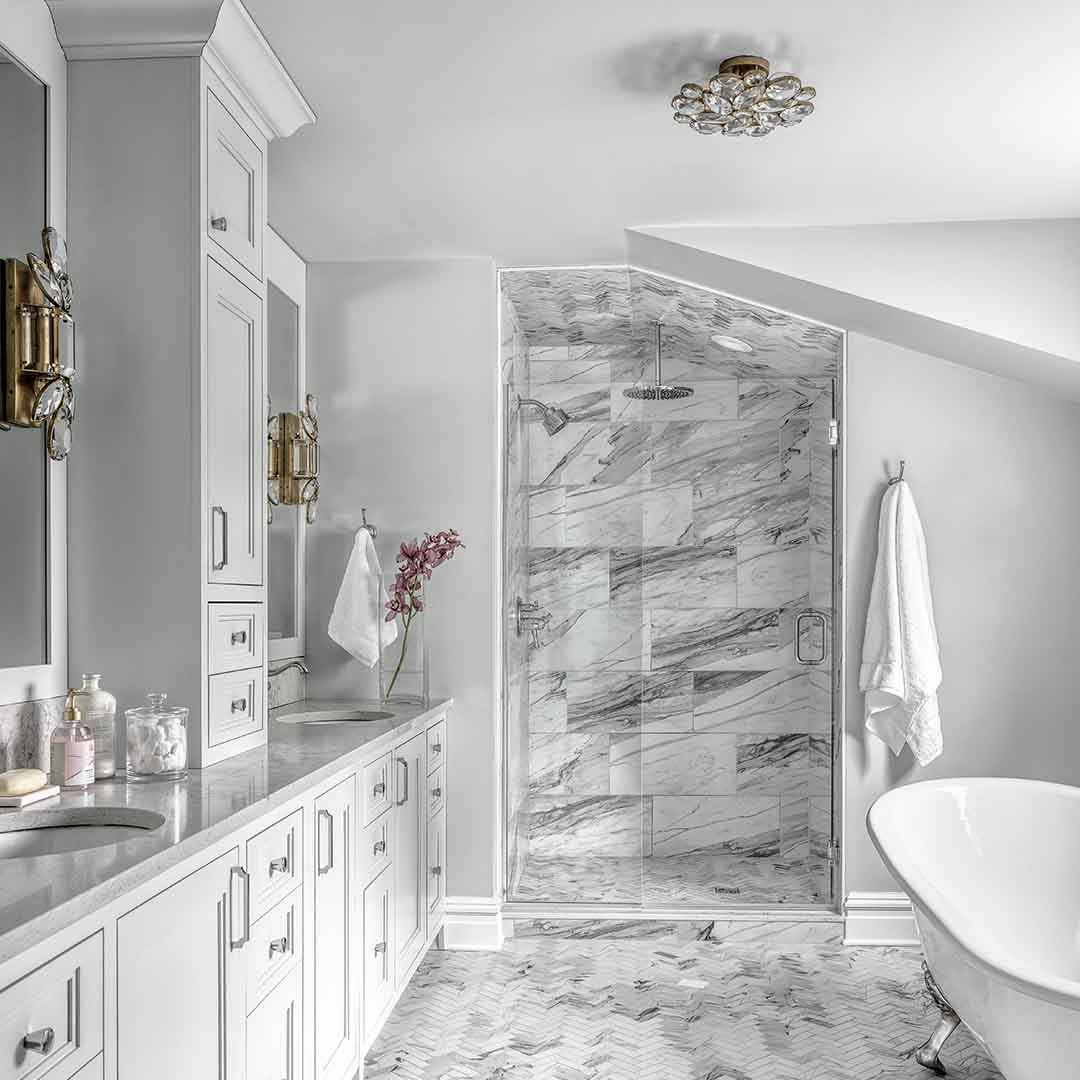
Design for the Life You’re Building
Future-focused design isn’t about planning for the worst. It’s about creating options.
The most successful homes are the ones that adapt alongside the people who live in them. They support growing families, welcome guests, accommodate changing needs, and provide comfort through every chapter of life.
At ADJ Interiors, we believe these conversations are worth having early, even if you’re not ready to implement every solution today. Together, we can identify opportunities to create a home that feels beautiful now and remains functional for years to come.
If you’re planning a new build, renovation, or simply thinking about how your home can better support your future, we’d love to help. Reach out to the ADJ Interiors team to schedule a consultation and start designing a home that’s gorgeous—and ready for whatever life brings next.